Tinea | Better Health Channel
Tinea is contagious and can be spread by skin-to-skin contact or indirectly through towels, clothes or floors.


Tinea is a common skin, scalp or nail infection caused by a fungus.
The tinea fungus grows well in warm, moist places. Parts of your body that are warm and moist are ideal places for tinea to grow. This includes:
Most tinea infections are mild. They can be treated.
Tinea can infect many areas of the skin and nails. The infection has a different name depending on where it occurs. The name also depends on the type of fungus.
The types of tinea include:

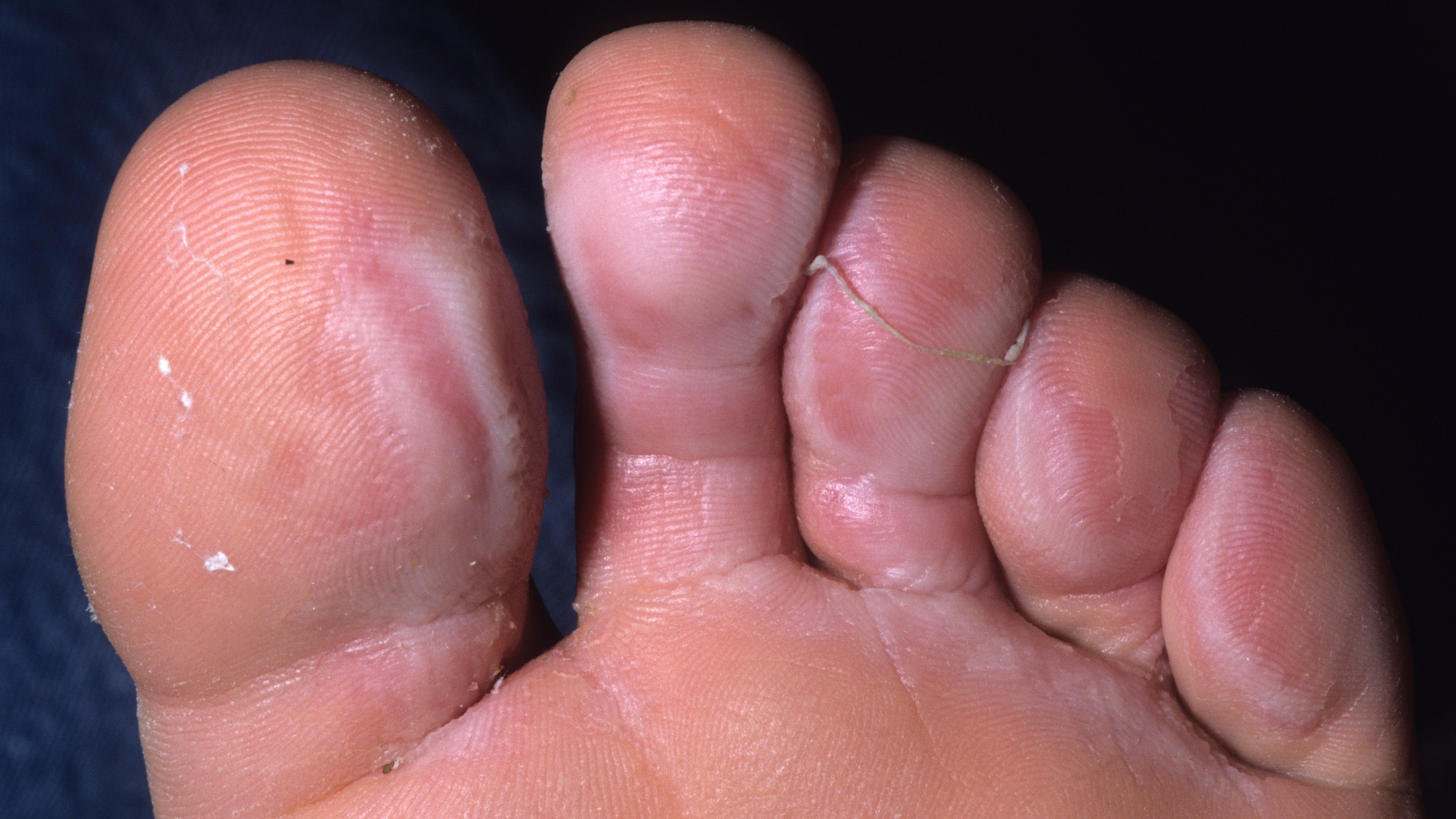


The symptoms of tinea depend on where the tinea is located on the body:
Anyone can get a tinea infection.
Tinea pedis (athlete's foot) is common. If your feet sweat a lot, you can develop this. People who play sport or wear runners (sneakers) often get athlete's foot.
You can catch tinea from the floors of showers and shared changing rooms. The tinea fungus can live on the floor and spread from one person's foot to another.
You should see a doctor if:
You can also ask your pharmacist for advice about fungal infections. If necessary, they can refer you to a doctor.
Your doctor will ask you about your symptoms and examine you. They may take a sample of the infected area for testing to find out which fungus is causing the infection.
Samples may involve:
It is important to confirm that the infection is tinea before starting antifungal treatment.
Tinea is treated with antifungal medicines. These medicines usually come as a:
Here are some ways to treat tinea at home:
You might need prescription tablets from a doctor. These are sometimes needed if the tinea has spread across your body. They are also used if the skin treatment has not worked or keeps coming back. Tablets might also be needed for tinea infection on the head or nails.
All medicines can have side effects. Before using tinea medicines, you can ask your doctor or pharmacist about:
If tinea is not treated, it can cause complications.
Untreated tinea of the scalp can lead to permanent scarring and hair loss (alopecia). It can also cause swollen lymph nodes at the base of the skull.
The tinea fungus is contagious. If you have tinea, you must be very careful about surfaces that you touch to avoid spreading the fungus to other people.
Some people have an allergic reaction to the fungus itself. This can lead to painful bacterial infections.
Good personal hygiene can help prevent you from getting a tinea infection. Keeping your body clean will also stop the infection from spreading to other areas.
There are several things you can do to avoid getting tinea:
As well as good hygiene, what you wear can also make a difference:
If you have tinea, it's important to wash your hands well with soap and water after cleaning or touching the infected area. This can help stop the infection from spreading to other people.
If you have tinea on your scalp, your doctor may recommend using a special shampoo twice a week until you get the results of diagnostic testing back.
If your child has tinea, they should stay home from school or child care to reduce the risk of infection.
If you have questions about tinea, you can call healthdirect on 1800 022 222 at any time to speak to a registered nurse (known as NURSE-ON-CALL in Victoria) for more information and advice.
The Australasian College of Dermatologists has information on many skin conditions (Opens in new tab).
Aboriginal and/or Torres Strait Islander peoples can access more information about tinea and other skin conditions in this booklet (Opens in new tab) from the Healthy Skin Project.
The National Health and Medical Research Council (NHMRC) has a fact sheet on fungal infections of the skin and scalp (Opens in new tab).
The Queensland government has information on tinea (Opens in new tab), including signs, symptoms and treatment options.
Find out how we develop and review our content.
Last reviewed: October 2025


Worried about your health?
Select a symptom, answer some questions, get advice